
As humans, we are blessed with the capability to have conversations with one another. Some of those conversations may be dreaded, others may be eagerly anticipated — and some conversations may be unexpectedly fascinating. Given the right circumstances, even the most introverted of introverts can find themselves invested in deep conversations at times. And whether we think so or not, the words we say, and the way we say them, say a lot about us. Tones, inflections, and word choice all play a huge role in how others perceive us. And that is especially true when it comes to novels.
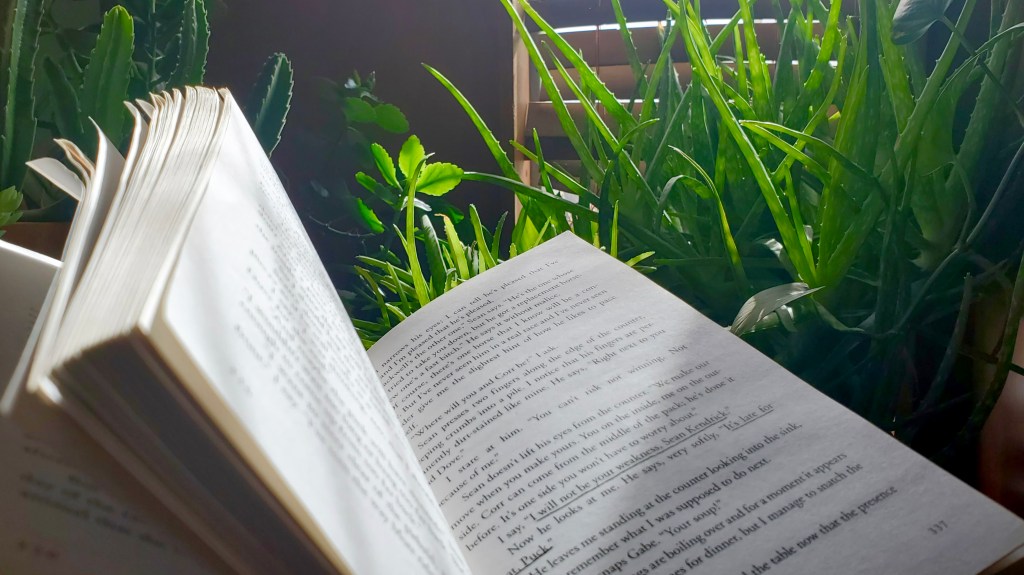
Here’s a transcription of an interesting conversation I had, with my three-almost-four-year old nephew.
(Cat enters the scene.)
Nephew: “Can I pet him?!”
Me: “Sure you can!”
Nephew: *pets cat* “He’s so soft and crunchy!”
Me: “Um, yeah.”
Nephew:*pets cat again* *sniffs hand* “He smells like some kind of problem.”
Ouch. Sorry Rusty, you’ve been called out.
This conversation tells us a bit about what’s going on inside of my nephew’s head. He doesn’t dance around his words, but gets straight to the point, and tells us exactly what’s on his mind. (I’m kidding. I just thought the conversation was funny, and wanted to share it, lol.)
Back to the topic of today’s post which is — conversation, a.k.a., dialogue.

Dialogue is one of my favorite parts about stories. But what makes good dialogue? Inner monologue, thoughts, and prose, can tell us a lot about the characters or the story, but dialogue is how our characters interact with one another. And it can be tricky to write dialogue that feels authentic. I know we’ve all read the books with cringy, or overly-witty dialogue that no real person would say aloud. And then there are the long-winded lectures, usually found in older works. But among them all, thoughts and feelings are expressed. Just as in real life, our words carry weight, so it stands to reason that, in fiction, our words should be just as carefully chosen.
There are many ways to have engaging, and interesting dialogue; such as tones of voice, or a sense of sincerity behind the words. In one of my favorite books, The Scorpio Races, by Maggie Stiefvater, there is actually very little dialogue, but when a character speaks, it usually matters. Each character has a unique, and distinct voice, and you almost always know who is speaking without having to be told. Much of this has to do with word choice, or certain phrases. But this approach of less is more, is greatly due to subtext, a.k.a. the unspoken implications in books. (This element is something I’m still trying to grasp fully, to put to use in my own novel). When a character is depicted vibrantly enough, readers don’t need things to be over-explained and there is an understanding between the reader, and the character on the page. When your characters are well developed, and words aren’t necessarily spoken explicitly, we can still have empathy and understanding of the character, adding another layer of depth to the character’s interactions.

Something I’ve learned from my own projects, is that I must listen very closely to my characters. Until I’ve actually begun writing the story, I may not know if my character is one of few, or many words. One I may have thought more subdued, might surprise me, and end up being the comical one. And a character I may have thought more talkative, may end up being reluctant to give too much away. Another thing we all should be doing, is taking note from real life. When we’re talking to our parents, our friends, or listening to the way others are talking to one another, we should pay close attention. Try and listen for the subtle cues that keep the conversation flowing, or the ones that stifle it or turn things awkward. In other words, the best way to craft authentic dialogue is to take from our experiences in every day life.
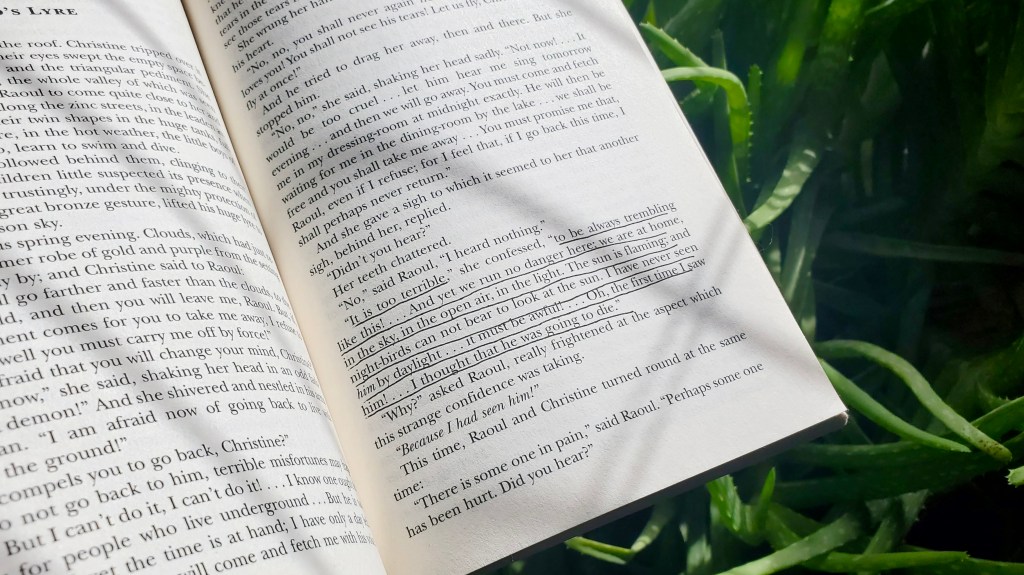
Dialogue is probably one of the funnest parts of your novel to write, but it’s difficult too. Being a person of few words myself, I sometimes struggle to keep the conversations on the page flowing easily, (kind of like in real life, too). So I have to really dig down, and get deep into my character’s heads. While I may be the one writing out their words, I have to remind myself, that I’m not the character on the page. I think the best way to write great dialogue, is to become familiar with your characters so as to be true to their voice. I love to read honest conversations between characters, and see the way they interact with one another. One of the hardest jobs of being a writer, is to find that connection with your characters and to be honest and sincere on the page.

In closing, dialogue is something that can be overlooked when you begin working on a story, but it has the ability, and potential, to be a master tool in crafting deep, and impactful stories. So I just wanted to share some of my thoughts, and have a little chat on the subject. What is your approach when it comes to writing dialogue? Do you have any tips or tricks to share?
Thanks for reading,
Lady S


 Sage In The Meadow
Leave a reply to Evelyn Cancel reply